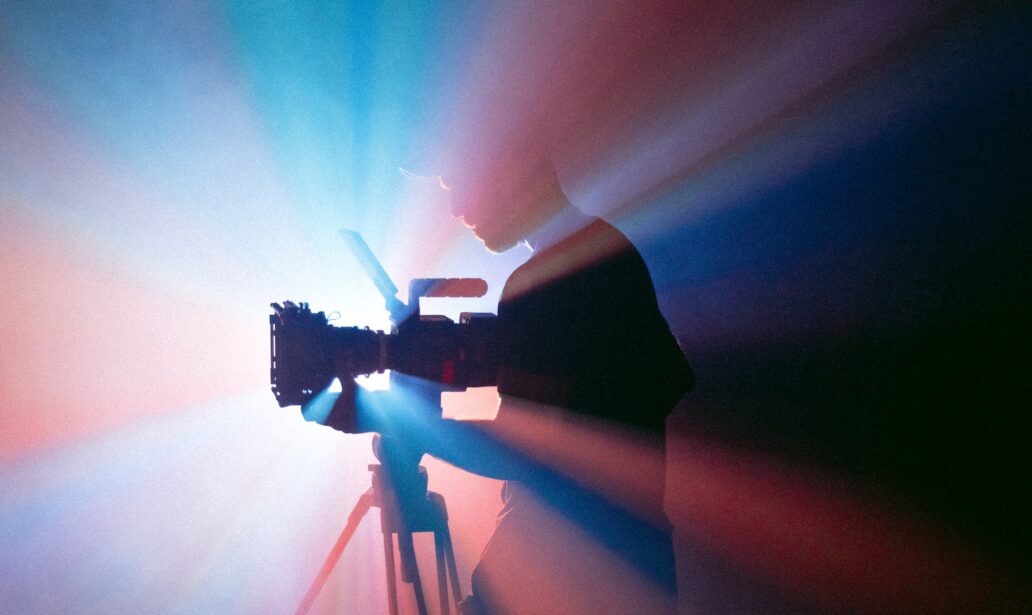
The mastery of lighting techniques is nothing short of essential. Lighting serves as the unsung hero of the filmmaking process, profoundly influencing the mood, atmosphere, and overall impact of your video.
Understanding the Power of Light
Before we dive into the intricacies of lighting techniques, it’s crucial to understand the fundamental role that light plays in storytelling. Beyond mere illumination, light has the remarkable ability to set the mood, guide the viewer’s attention, and evoke emotions. As you embark on your cinematic journey, keep in mind that light is your most versatile storytelling tool.
The Three Pillars of Lighting
- Key Light: This is your primary light source, the one that illuminates your subject. Its position and intensity are pivotal in defining the visual style of your video. A well-placed key light can sculpt the subject’s features and convey their emotional state.
- Fill Light: Often used to soften shadows created by the key light, the fill light balances the contrast in your scene. It ensures that no details are lost in the shadows, creating a more natural and flattering look for your subjects.
- Backlight: Positioned behind the subject, the backlight separates them from the background, adding depth and dimension. It creates a subtle halo effect, making your subject pop.
Natural vs. Artificial Lighting
Natural light offers authenticity and realism but comes with the challenge of unpredictability. Artificial lighting, on the other hand, provides precision and control, allowing you to craft the perfect shot, but it can be costlier and require more setup time. Often, the best results are achieved by combining both natural and artificial light sources to create cinematic effects that strike a balance between authenticity and control.
Equipping Your Toolkit
To embark on your journey to cinematic lighting mastery, you’ll need the right tools. Your lighting kit should include various types of lights (such as LED, tungsten, or fluorescent), light modifiers (softboxes, diffusers, and grids), and essential grip equipment. Your choice of equipment will depend on your budget, the specific project requirements, and the shooting location.
The Three-Point Lighting Setup
At the heart of cinematic lighting lies the three-point lighting technique, a cornerstone of visual storytelling. Here’s a breakdown:
- Key Light: Your star player, this light source defines the subject, sets the tone, and creates the primary illumination.
- Fill Light: This secondary light source softens the shadows created by the key light, ensuring a balanced and natural look.
- Backlight: Positioned behind the subject, the backlight adds depth and separation from the background, enhancing the overall cinematic feel.
Crafting Depth and Texture
Shadows are a cinematographer’s best friend when it comes to creating depth and texture. Mastering shadow intensity control and understanding shadow patterns can add a layer of complexity and realism to your shots. Additionally, incorporating practical lights and props can bring authenticity to your scenes, whether it’s the warm glow of a practical lamp or the soft illumination of a window.
Color and Mood
Color is a powerful storytelling tool in cinematography. Warm colors like reds and yellows can evoke feelings of intimacy and comfort, while cool colors such as blues and greens can create tension and mystery. Experimenting with gels and filters allows you to manipulate light color and temperature to achieve the desired emotional impact in your scenes.
Controlling Light Intensity and Quality
To achieve the perfect shot, you must have control over your lighting’s intensity and quality. Dimmers and power control devices help you balance light levels within different areas of your scene, allowing for gradual transitions and dynamic sequences. Additionally, diffusion and softening techniques using materials like diffusion fabric or silk can help create flattering portraits and reduce harsh shadows.
Conclusion
Mastering lighting techniques is an ongoing journey. Armed with the knowledge of the three-point lighting setup, the nuances of color and mood, and the power of shadow and texture, you’re poised to take your storytelling to new heights. Remember, the path to mastery involves experimentation, practice, and a deep appreciation for the artistry and science of cinematic lighting. Embrace the challenge and let your creativity shine through the magic of light.